
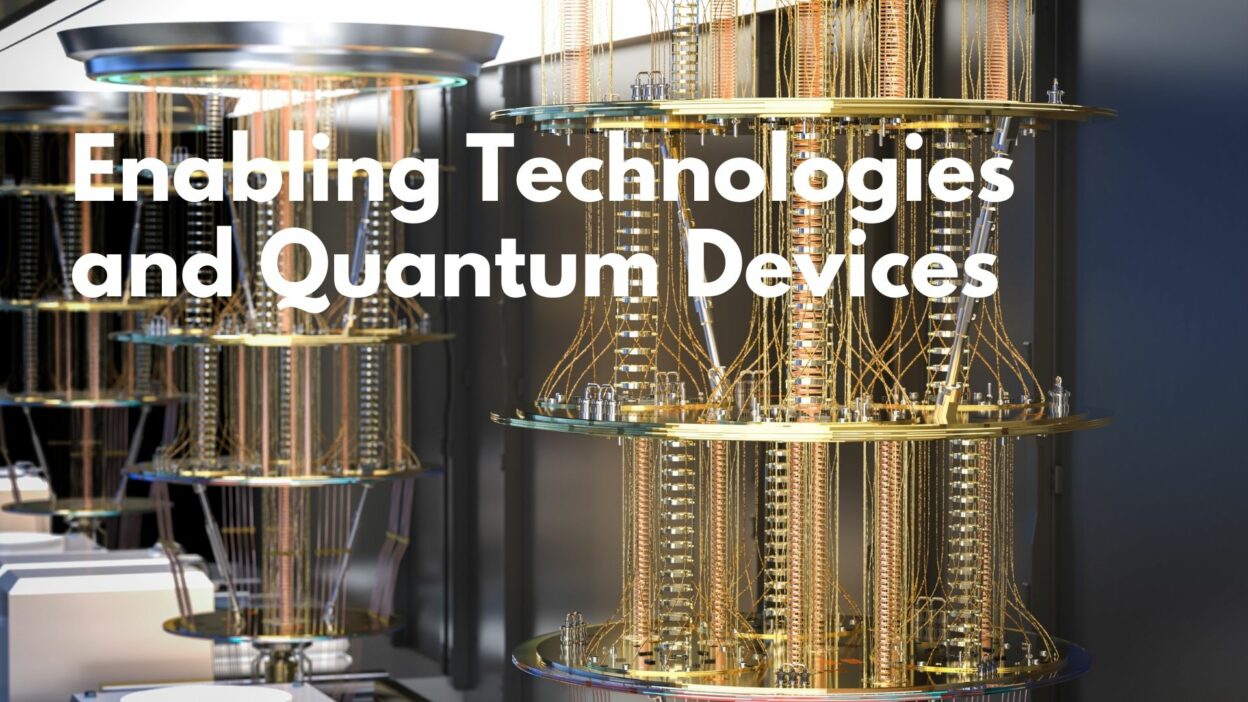
This article profiles physicist Amber McCreary, who transitioned from a postdoctoral fellowship at NIST to an experimental physicist at Northrop Grumman. Her research involved using optical spectroscopy to study magnetism in atomically thin materials and testing superconducting devices. These efforts contribute to the development of quantum bits, or qubits, intended for future energy-efficient computing systems that generate less heat than traditional technology.
McCreary credits her mentor at NIST for encouraging her to apply for industry roles and develop confidence in her technical abilities. In her current position, she leads experiments on novel superconducting circuits, requiring skills in troubleshooting hardware and analyzing complex data. Her experience highlights the importance of collaboration and attention to detail when managing the many moving parts of advanced quantum research projects.
While this article focuses on individual research rather than specific industry standards or protocols, it illustrates how academic work supports the broader growth of quantum technology. The research aims to enable new devices for computers and phones, though no specific implementation timeframe is provided. McCreary’s career path shows how research institutions help scientists transition from academic study to practical engineering roles in the quantum sector.
Keywords: Raman spectroscopy, magneto-cryostat, superconducting qubits